Concrete, chants and the long echo of goals
Maracanã has hosted some of football’s most unforgettable nights — its terraces have cheered victories, witnessed silences, and learned to hold memory as a living thing.
Table of Contents
Origins and early ambitions
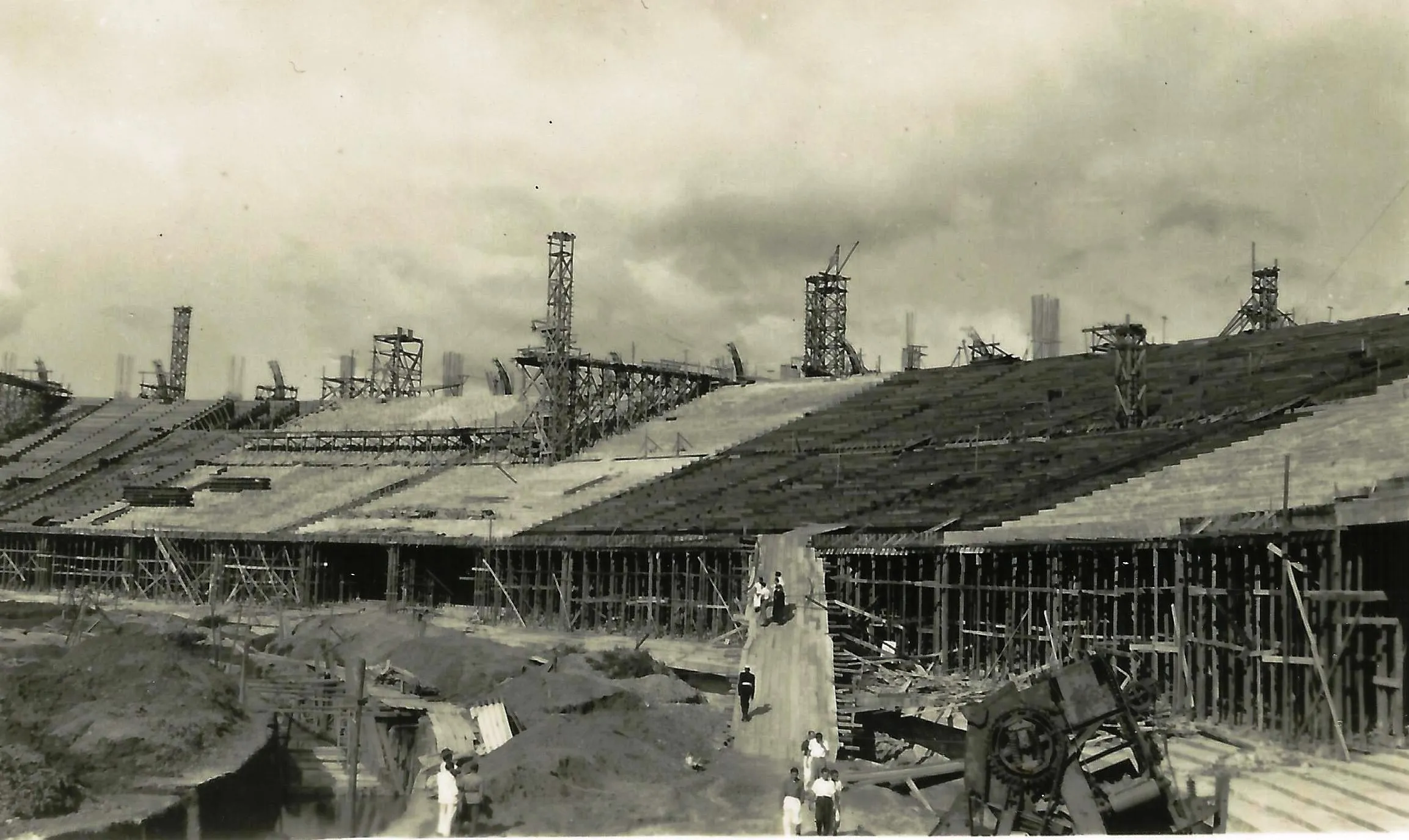
Conceived in the 1940s as Brazil’s answer to the world’s great sporting arenas, the Maracanã was built to host the 1950 World Cup and to symbolise a modernizing nation. The project required ambitious engineering and soft political theatre: large swathes of land were reshaped, and whole neighborhoods adjusted to make room for a coliseum fit for a country that already lived and breathed football.
When the doors opened, tens of thousands poured in — the scale of the crowd and the stadium’s bowl shape immediately changed how football was experienced in Brazil. The sound of the crowd, the endless stream of banners, and the communal rituals of support were now framed by concrete that amplified voices and anchored memory.
Design, construction & the 1950 World Cup
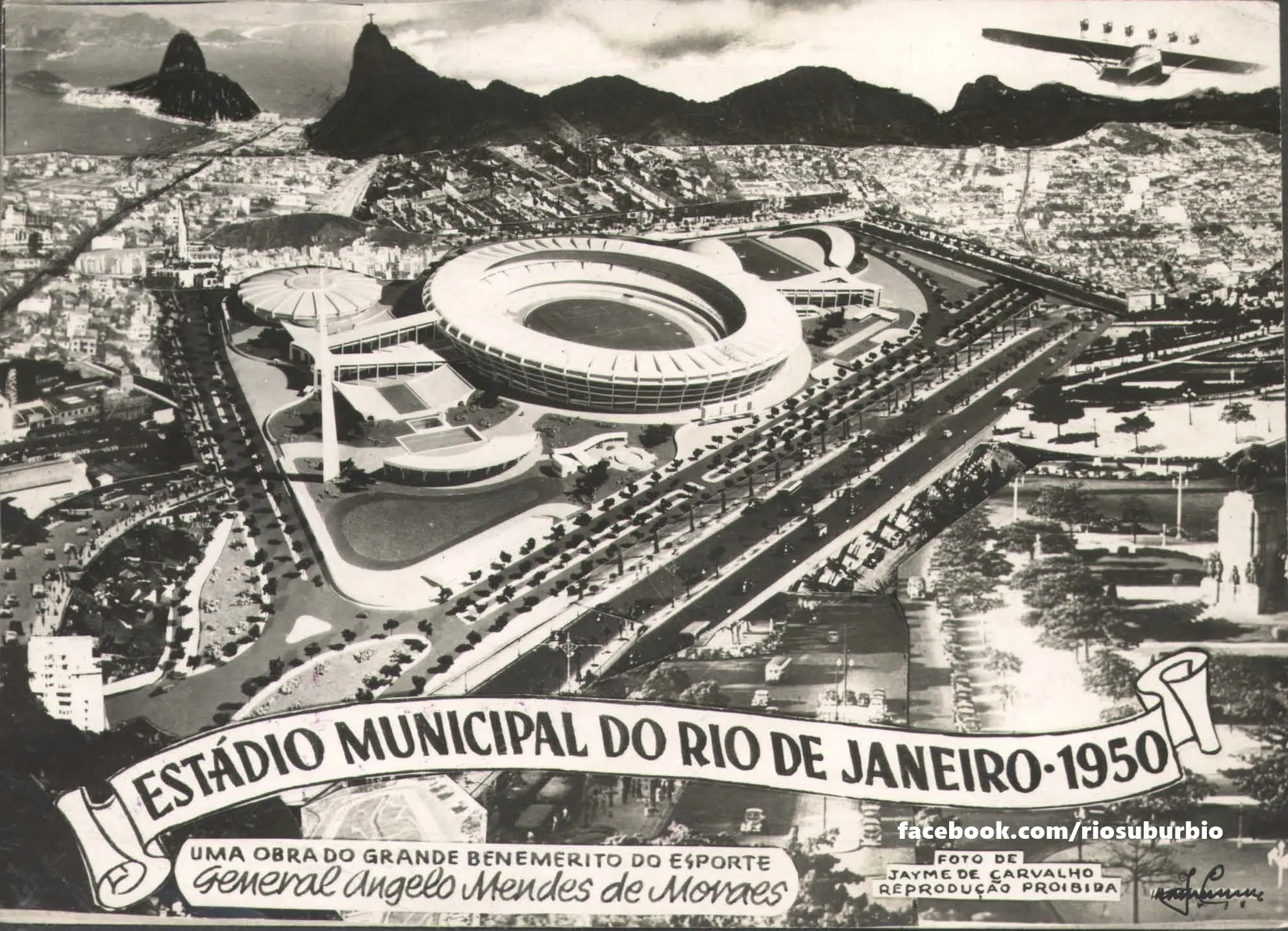
Engineers and architects balanced capacity with sightlines: the original Maracanã could hold well over 150,000 people in its terraced stands — a testament to the era’s ambition, where sheer scale was part of sporting theatre. Construction took place quickly, fueled by national pride and a desire to showcase Brazil to the world stage.
The 1950 World Cup placed Maracanã on a global map. The stadium’s inaugural tournament was dramatic, not least because of the final match that would later be remembered as the Maracanazo — a single night that altered Brazilian football lore and the way a nation understood itself.
The Maracanazo: heartbreak and memory
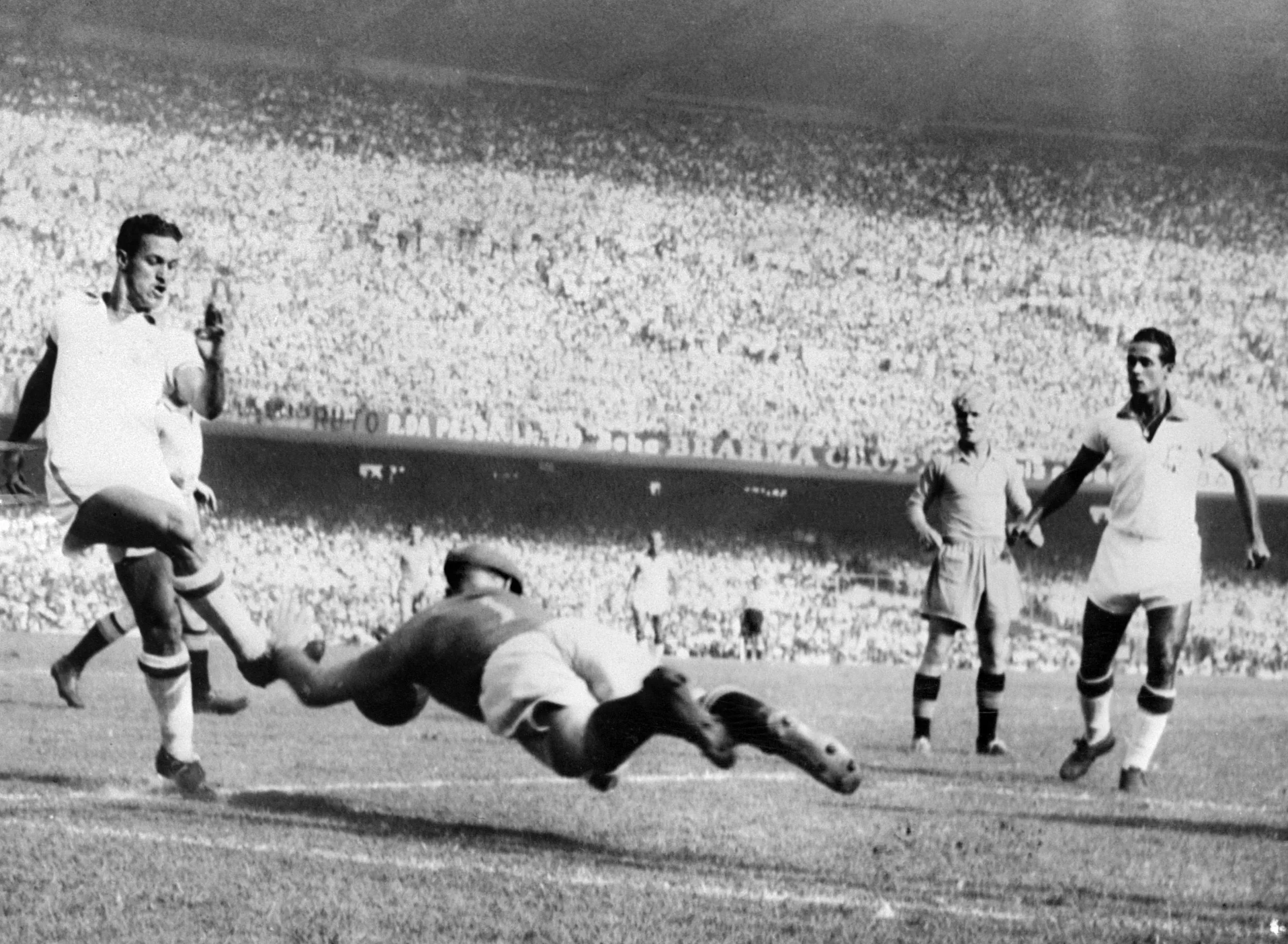
On a warm July evening in 1950, Brazil faced Uruguay in what many expected to be a coronation. Instead, Uruguay won in a result that stunned a football‑mad nation. The Maracanazo—‘the Maracanã upset’—sent shockwaves through Brazil; newspapers, songs, and private conversations carried the echo. For decades the match was a cultural touchstone, referenced in films, literature, and political life as an example of collective grief and resilience.
Visiting Maracanã today, you will encounter this history not as an abstract statistic but in personal artifacts, photos in the museum, and stories passed down by older fans who remember the air that evening. The stadium holds both triumph and sorrow in equal measure, and understanding the Maracanazo helps explain why football is more than a game here — it is a mirror of national feeling.
Golden eras and legendary matches
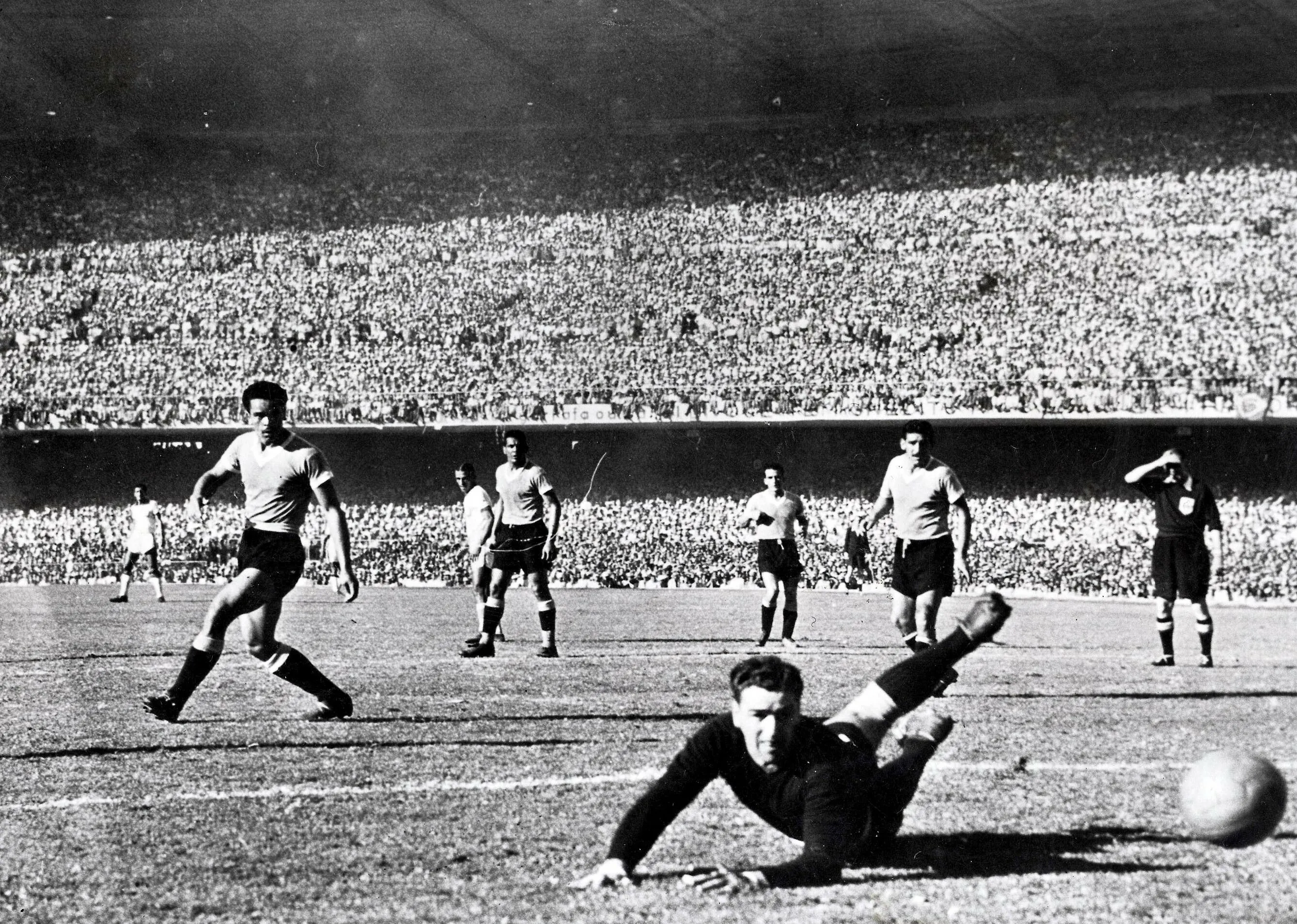
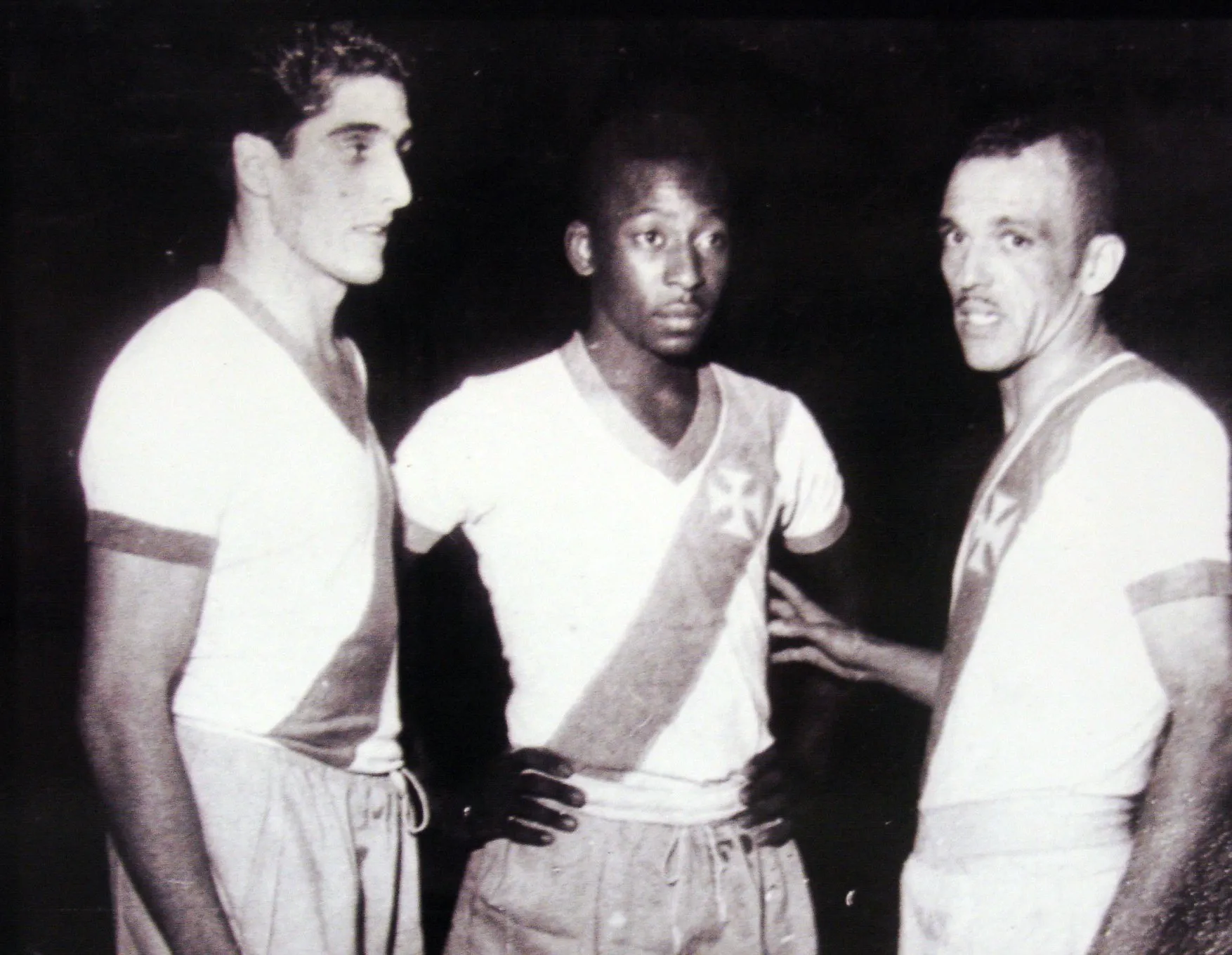
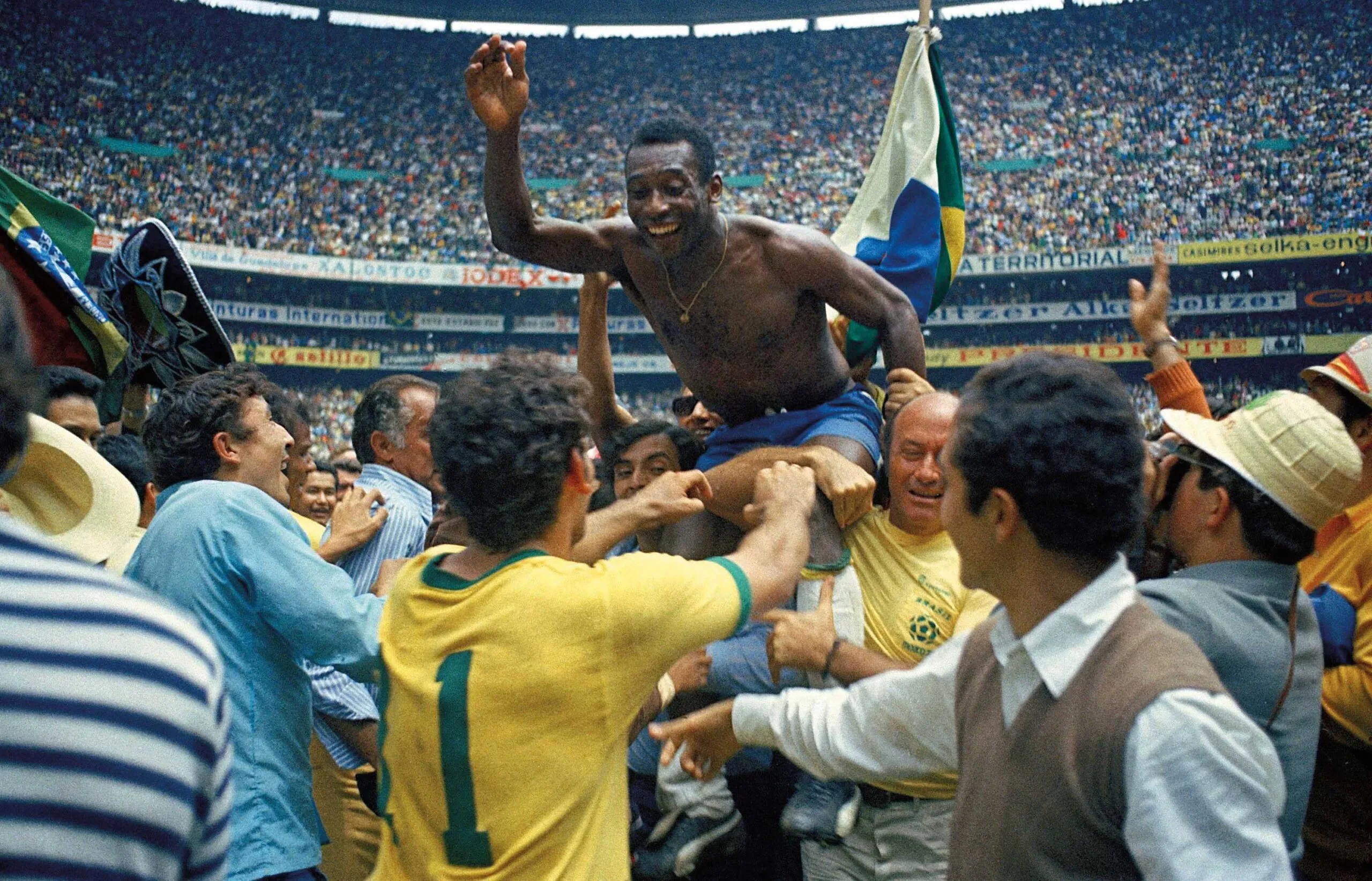
Across decades, Maracanã hosted some of Brazil’s most luminous moments: championship nights, Copa Libertadores finals, and the homecomings of icons like Pelé, Zico, Romário, Ronaldo and many others who became entwined with the stadium’s identity. Each generation of players left traces — a famous goal, a penalty saved, a parade of celebration — all preserved in photos and memory.
The stadium also served as a neutral theatre for international fixtures and club clashes that attracted fans from across South America. Those nights stitched together local pride and continental rivalry, producing matches that are still retold with relish in bars and family living rooms across Brazil.
Concerts, politics & cultural gatherings
Maracanã is not only about football. Over the years it has hosted enormous concerts, political rallies, and cultural events that transformed its bowl into a multi‑purpose stage. From rock and pop superstars to national celebrations, the stadium held performances that drew diverse crowds and added new layers to its social history.
These events sometimes required inventive logistical planning, temporary stage construction, and different seating configurations — all part of a stadium that adapts to the city’s cultural pulse.
Renovations, the modern era & global tournaments
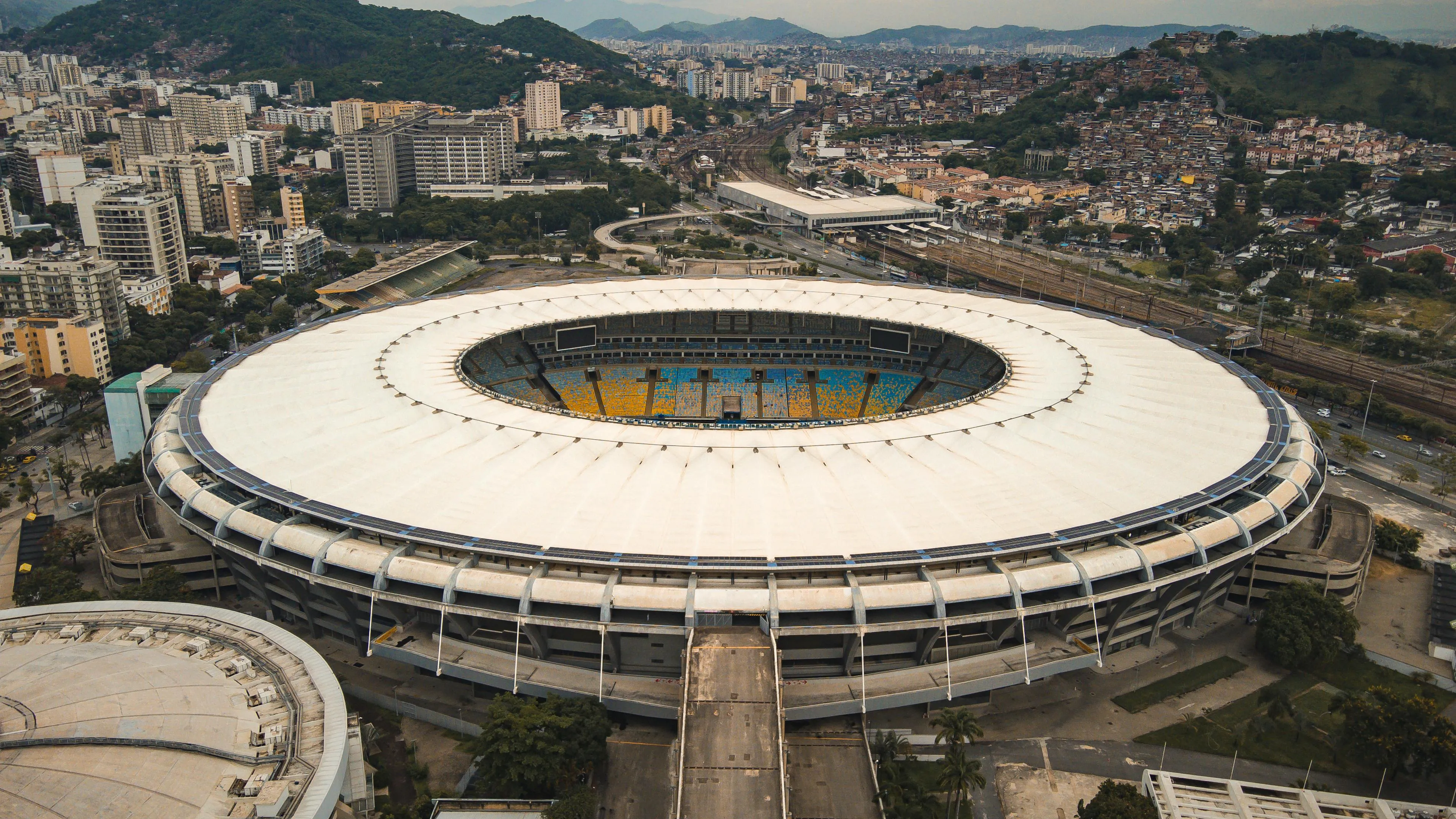
Major renovations in the 2000s and early 2010s transformed Maracanã’s structure and facilities in preparation for the 2014 FIFA World Cup and the 2016 Olympic Games. The stadium’s capacity was reduced for safety and comfort, seats were modernised, and infrastructure improved — a move that balanced historical significance with the practical demands of contemporary megasporting events.
These modern changes sparked debate among fans and preservationists: how to maintain the soul of a place while meeting international standards? The answer was incremental and visible: some terraces were replaced by seated stands, new hospitality areas appeared, and the outer façade received careful restoration, all while preserving iconic sightlines and the spirit of the terraces.
Matchday rituals: samba, scarves & songs
A matchday is a choreography of devotion. Fans gather hours before kick‑off, street sellers hawk snacks and team shirts, and local bands sometimes play samba rhythms that swell as the crowd grows. The chants — many created by supporters’ groups — reverberate against concrete and travel far beyond the stadium’s walls, turning neighborhoods into an extension of the terraces.
Part of the magic is how local traditions mix with the global language of football: megastars arrive under flashing cameras, but their reception is measured against the intimate memory of local heroes and club legends.
Accessibility & community uses
Beyond high‑profile matches, Maracanã is a venue for community events, youth tournaments, and civic gatherings that keep the stadium connected to local life. Accessibility programs and community outreach initiatives aim to open the stadium to broader segments of Rio’s population, though challenges remain in creating fully inclusive access across all areas.
When planning your visit, look out for community days, educational tours, and family‑friendly schedules that welcome kids and local groups with discounted or special access.
Preserving memory while hosting the future
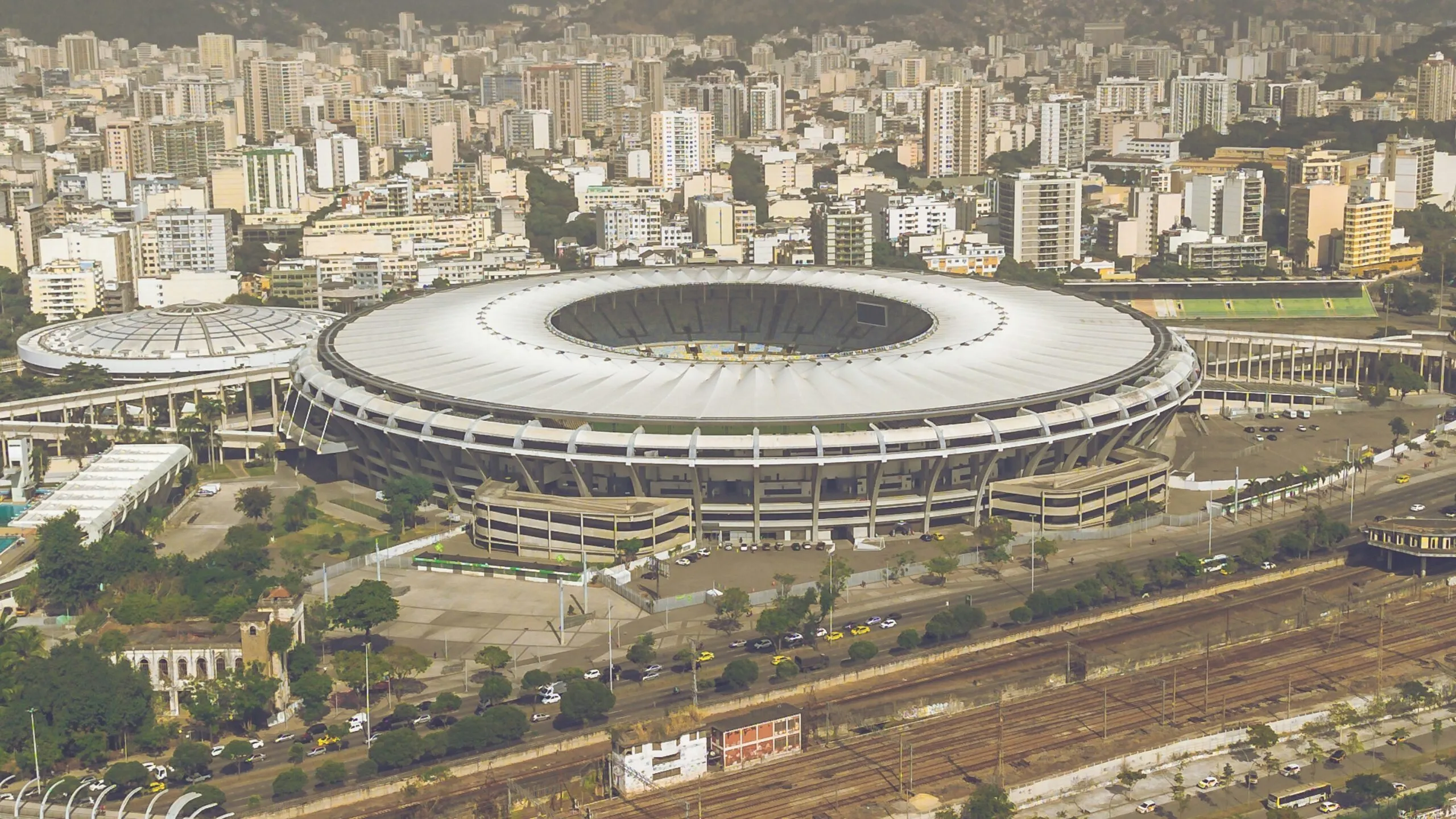
Maintaining Maracanã is an ongoing labour: conservation teams, historians, and city planners work to protect the stadium’s material fabric and the intangible cultural heritage that lives in chants, artifacts, and oral history. Sensitive restoration balances modern safety needs with preserving the patina of decades of use.
Visitors can participate in this preservation ethic by following museum guidelines, respecting memorabilia, and supporting official channels that fund conservation work.
Museum highlights & what to look for
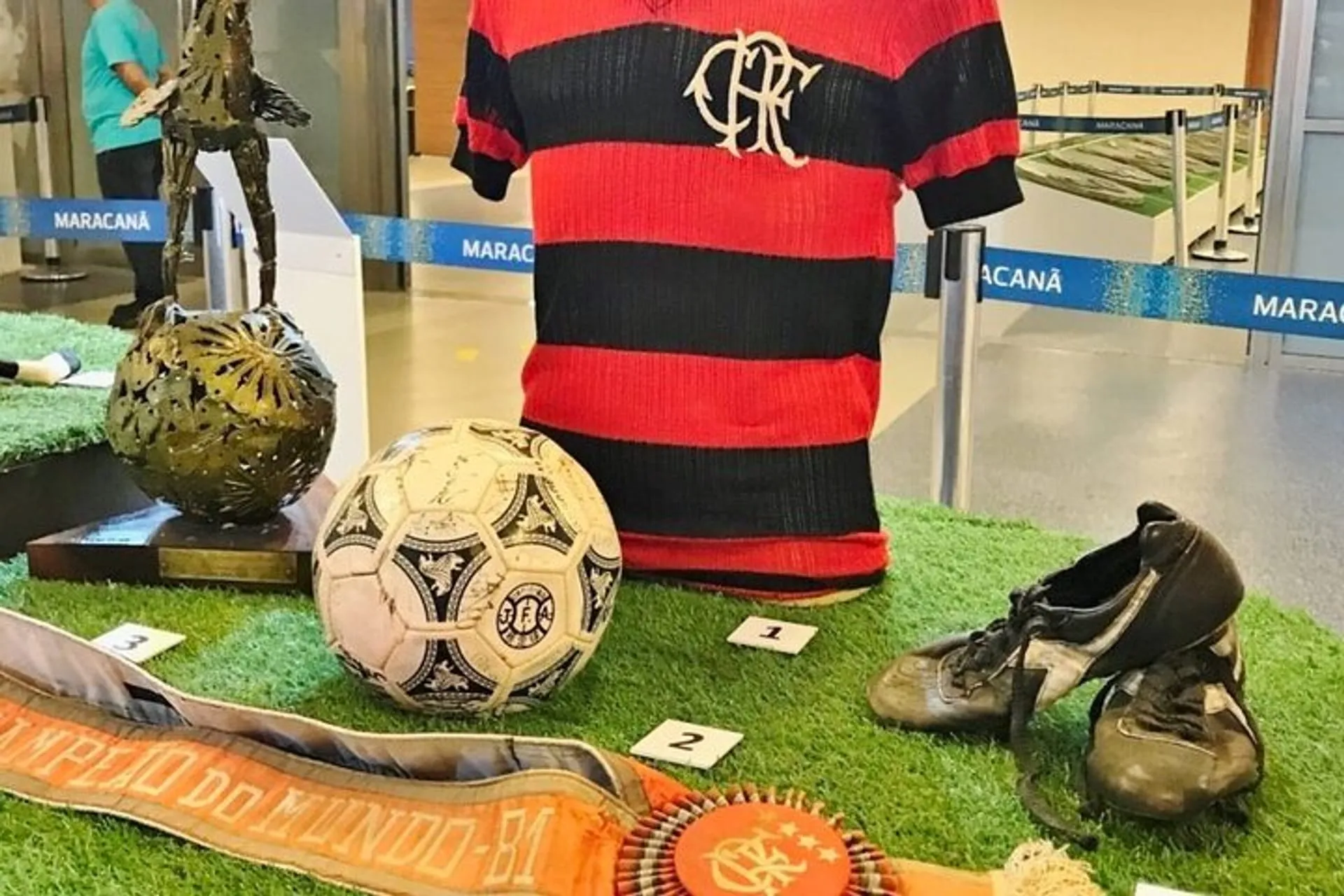
The museum showcases iconic items: match balls from decisive games, jerseys worn by national legends, and photographic archives that reveal the stadium’s social history. Look for the sections that tell personal stories — letters, fan photos, and audio interviews — which bring the stadium’s past to life.
Curators often rotate exhibits, so you may encounter thematic displays focusing on a particular club, decade, or event that deepens your understanding of Maracanã’s role in Brazilian life.
Stories from the terraces
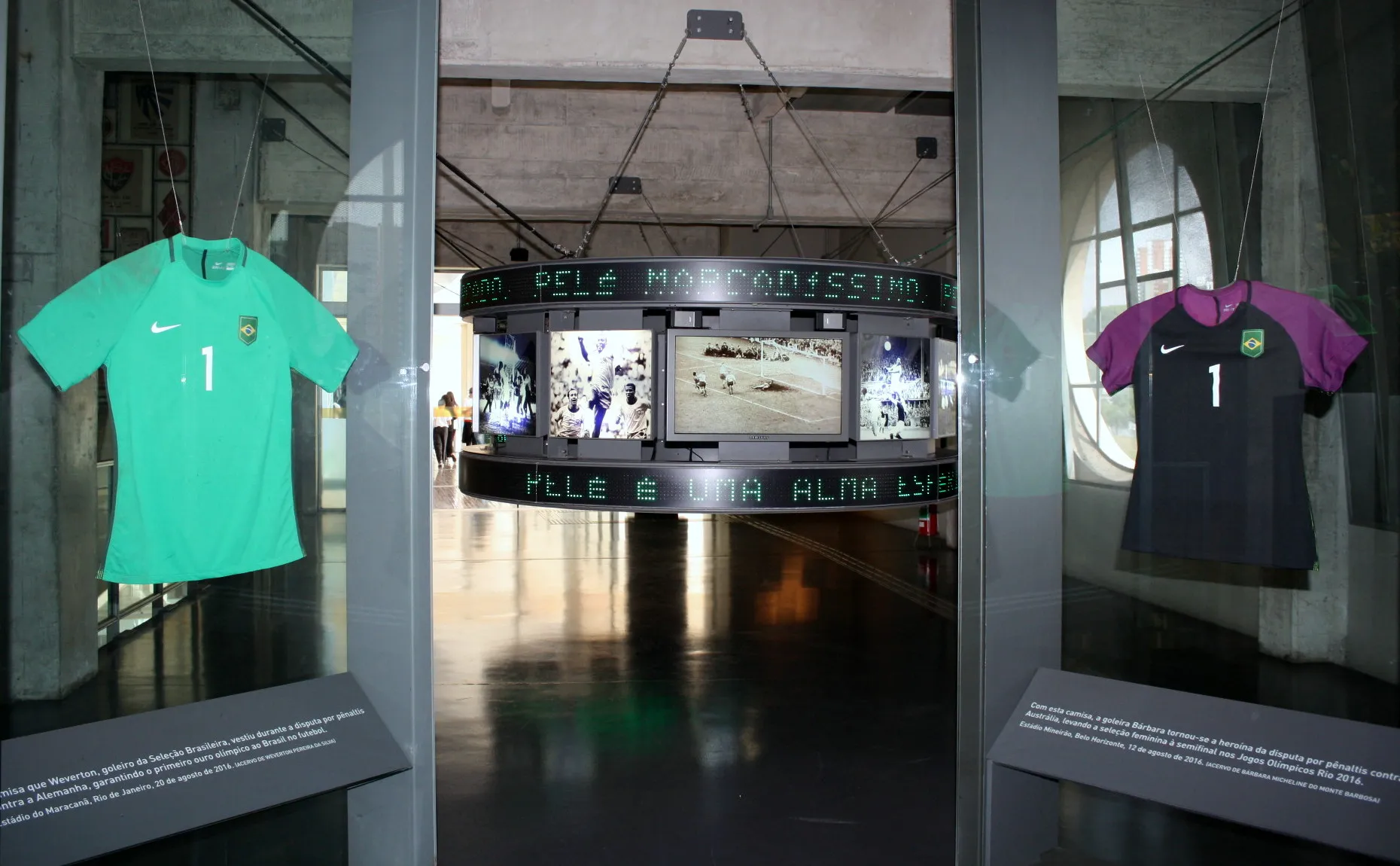
Ask around and you’ll hear terrace stories: a goal that saved a relationship, a first date under the lights, a generational chant taught from father to child. These personal memories form the stadium’s real archive, and museum curators often collect such testimonies to complement official records.
If you’re lucky, you might meet a local who remembers a particular match and can tell you exactly where they stood and what the air felt like — those small details are the heartbeat of visiting Maracanã.
Architectural notes & the bowl’s acoustics
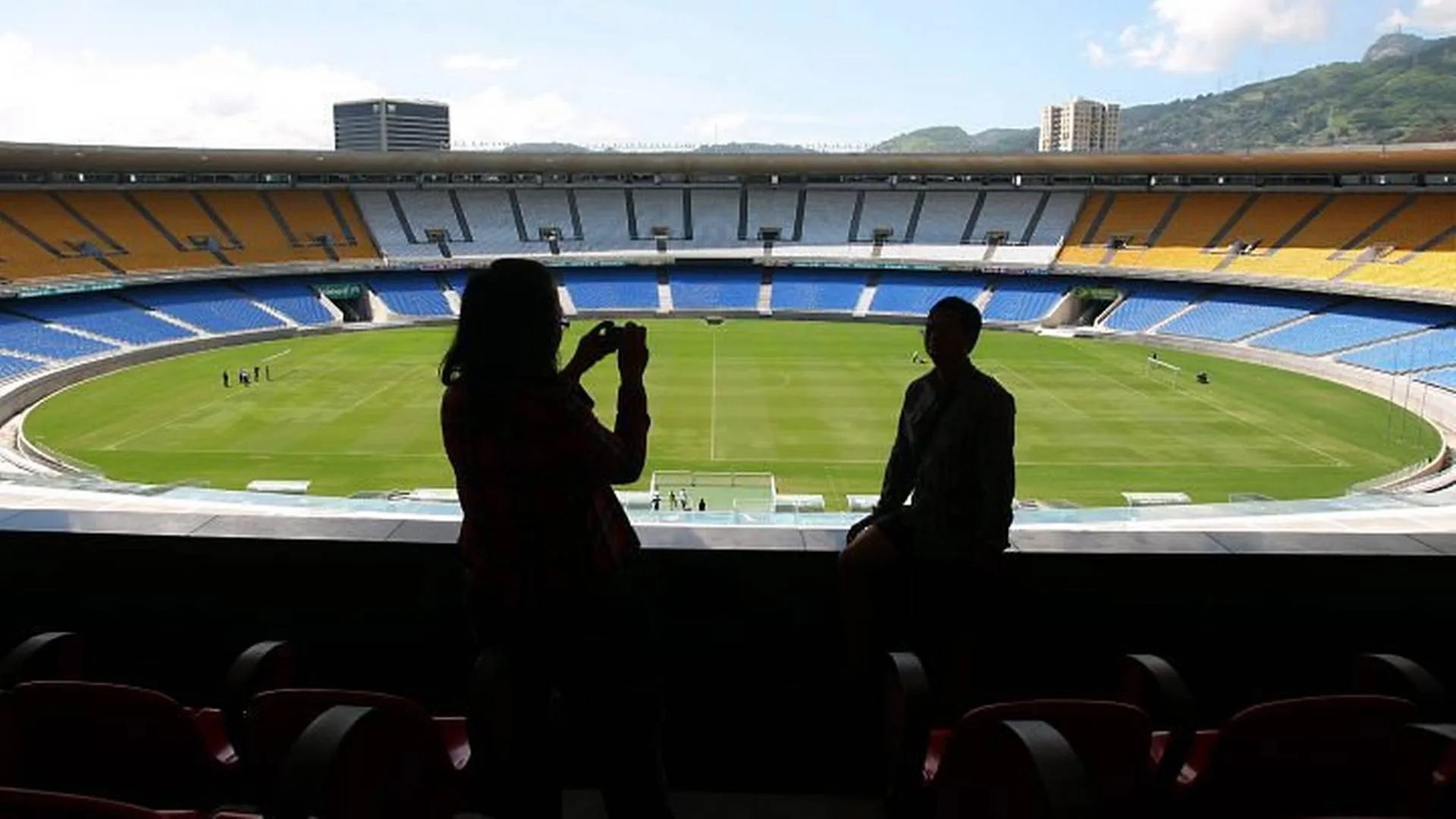
The stadium’s shape amplifies crowd noise, creating the famously intense atmosphere that players and fans often cite as decisive. Architectural tweaks over the years aimed to preserve sightlines while improving safety and comfort, producing a unique acoustic signature that defines matches here.
Photographers and architects alike are drawn to the stadium’s lines: the interplay of concourses, stairwells, and terraces forms a visual language that reflects both function and spectacle.
Why Maracanã matters to Brazil
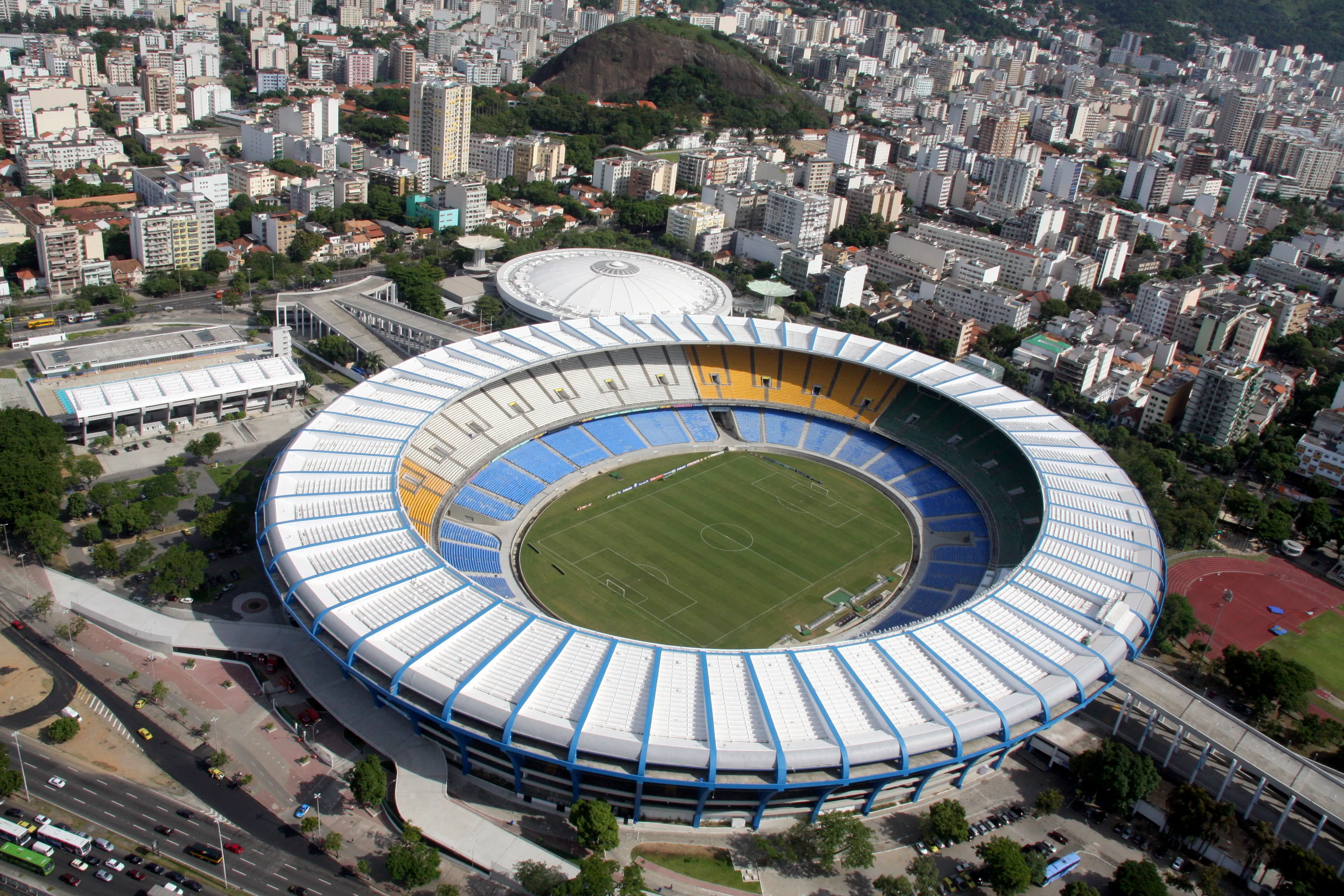
Maracanã is more than wood, concrete, and grass. It is a cultural landmark where national joys and disappointments have been experienced publicly, collectively, and ceremonially. For many Brazilians, it stands as a symbol of identity, community, and an enduring love for the beautiful game.
A visit lets you witness the stadium’s layered meanings — you’ll leave with images of empty seats, memories of roars, and the hum of stories that bind people to places.
Table of Contents
Origins and early ambitions
Conceived in the 1940s as Brazil’s answer to the world’s great sporting arenas, the Maracanã was built to host the 1950 World Cup and to symbolise a modernizing nation. The project required ambitious engineering and soft political theatre: large swathes of land were reshaped, and whole neighborhoods adjusted to make room for a coliseum fit for a country that already lived and breathed football.
When the doors opened, tens of thousands poured in — the scale of the crowd and the stadium’s bowl shape immediately changed how football was experienced in Brazil. The sound of the crowd, the endless stream of banners, and the communal rituals of support were now framed by concrete that amplified voices and anchored memory.
Design, construction & the 1950 World Cup
Engineers and architects balanced capacity with sightlines: the original Maracanã could hold well over 150,000 people in its terraced stands — a testament to the era’s ambition, where sheer scale was part of sporting theatre. Construction took place quickly, fueled by national pride and a desire to showcase Brazil to the world stage.
The 1950 World Cup placed Maracanã on a global map. The stadium’s inaugural tournament was dramatic, not least because of the final match that would later be remembered as the Maracanazo — a single night that altered Brazilian football lore and the way a nation understood itself.
The Maracanazo: heartbreak and memory
On a warm July evening in 1950, Brazil faced Uruguay in what many expected to be a coronation. Instead, Uruguay won in a result that stunned a football‑mad nation. The Maracanazo—‘the Maracanã upset’—sent shockwaves through Brazil; newspapers, songs, and private conversations carried the echo. For decades the match was a cultural touchstone, referenced in films, literature, and political life as an example of collective grief and resilience.
Visiting Maracanã today, you will encounter this history not as an abstract statistic but in personal artifacts, photos in the museum, and stories passed down by older fans who remember the air that evening. The stadium holds both triumph and sorrow in equal measure, and understanding the Maracanazo helps explain why football is more than a game here — it is a mirror of national feeling.
Golden eras and legendary matches
Across decades, Maracanã hosted some of Brazil’s most luminous moments: championship nights, Copa Libertadores finals, and the homecomings of icons like Pelé, Zico, Romário, Ronaldo and many others who became entwined with the stadium’s identity. Each generation of players left traces — a famous goal, a penalty saved, a parade of celebration — all preserved in photos and memory.
The stadium also served as a neutral theatre for international fixtures and club clashes that attracted fans from across South America. Those nights stitched together local pride and continental rivalry, producing matches that are still retold with relish in bars and family living rooms across Brazil.
Concerts, politics & cultural gatherings
Maracanã is not only about football. Over the years it has hosted enormous concerts, political rallies, and cultural events that transformed its bowl into a multi‑purpose stage. From rock and pop superstars to national celebrations, the stadium held performances that drew diverse crowds and added new layers to its social history.
These events sometimes required inventive logistical planning, temporary stage construction, and different seating configurations — all part of a stadium that adapts to the city’s cultural pulse.
Renovations, the modern era & global tournaments
Major renovations in the 2000s and early 2010s transformed Maracanã’s structure and facilities in preparation for the 2014 FIFA World Cup and the 2016 Olympic Games. The stadium’s capacity was reduced for safety and comfort, seats were modernised, and infrastructure improved — a move that balanced historical significance with the practical demands of contemporary megasporting events.
These modern changes sparked debate among fans and preservationists: how to maintain the soul of a place while meeting international standards? The answer was incremental and visible: some terraces were replaced by seated stands, new hospitality areas appeared, and the outer façade received careful restoration, all while preserving iconic sightlines and the spirit of the terraces.
Matchday rituals: samba, scarves & songs
A matchday is a choreography of devotion. Fans gather hours before kick‑off, street sellers hawk snacks and team shirts, and local bands sometimes play samba rhythms that swell as the crowd grows. The chants — many created by supporters’ groups — reverberate against concrete and travel far beyond the stadium’s walls, turning neighborhoods into an extension of the terraces.
Part of the magic is how local traditions mix with the global language of football: megastars arrive under flashing cameras, but their reception is measured against the intimate memory of local heroes and club legends.
Accessibility & community uses
Beyond high‑profile matches, Maracanã is a venue for community events, youth tournaments, and civic gatherings that keep the stadium connected to local life. Accessibility programs and community outreach initiatives aim to open the stadium to broader segments of Rio’s population, though challenges remain in creating fully inclusive access across all areas.
When planning your visit, look out for community days, educational tours, and family‑friendly schedules that welcome kids and local groups with discounted or special access.
Preserving memory while hosting the future
Maintaining Maracanã is an ongoing labour: conservation teams, historians, and city planners work to protect the stadium’s material fabric and the intangible cultural heritage that lives in chants, artifacts, and oral history. Sensitive restoration balances modern safety needs with preserving the patina of decades of use.
Visitors can participate in this preservation ethic by following museum guidelines, respecting memorabilia, and supporting official channels that fund conservation work.
Museum highlights & what to look for
The museum showcases iconic items: match balls from decisive games, jerseys worn by national legends, and photographic archives that reveal the stadium’s social history. Look for the sections that tell personal stories — letters, fan photos, and audio interviews — which bring the stadium’s past to life.
Curators often rotate exhibits, so you may encounter thematic displays focusing on a particular club, decade, or event that deepens your understanding of Maracanã’s role in Brazilian life.
Stories from the terraces
Ask around and you’ll hear terrace stories: a goal that saved a relationship, a first date under the lights, a generational chant taught from father to child. These personal memories form the stadium’s real archive, and museum curators often collect such testimonies to complement official records.
If you’re lucky, you might meet a local who remembers a particular match and can tell you exactly where they stood and what the air felt like — those small details are the heartbeat of visiting Maracanã.
Architectural notes & the bowl’s acoustics
The stadium’s shape amplifies crowd noise, creating the famously intense atmosphere that players and fans often cite as decisive. Architectural tweaks over the years aimed to preserve sightlines while improving safety and comfort, producing a unique acoustic signature that defines matches here.
Photographers and architects alike are drawn to the stadium’s lines: the interplay of concourses, stairwells, and terraces forms a visual language that reflects both function and spectacle.
Why Maracanã matters to Brazil
Maracanã is more than wood, concrete, and grass. It is a cultural landmark where national joys and disappointments have been experienced publicly, collectively, and ceremonially. For many Brazilians, it stands as a symbol of identity, community, and an enduring love for the beautiful game.
A visit lets you witness the stadium’s layered meanings — you’ll leave with images of empty seats, memories of roars, and the hum of stories that bind people to places.