Visiting timetableClosed
|Monday, September 28, 2026Maracanã, Rio de Janeiro, Brazil — Praça Jornalista Mário Filho, 1
Back to travel
history
Maracana History - 1950 to Modern Day
Understand Maracana's historical arc from early monumental design and iconic moments to contemporary stadium operations.
3/15/2026
17 min read
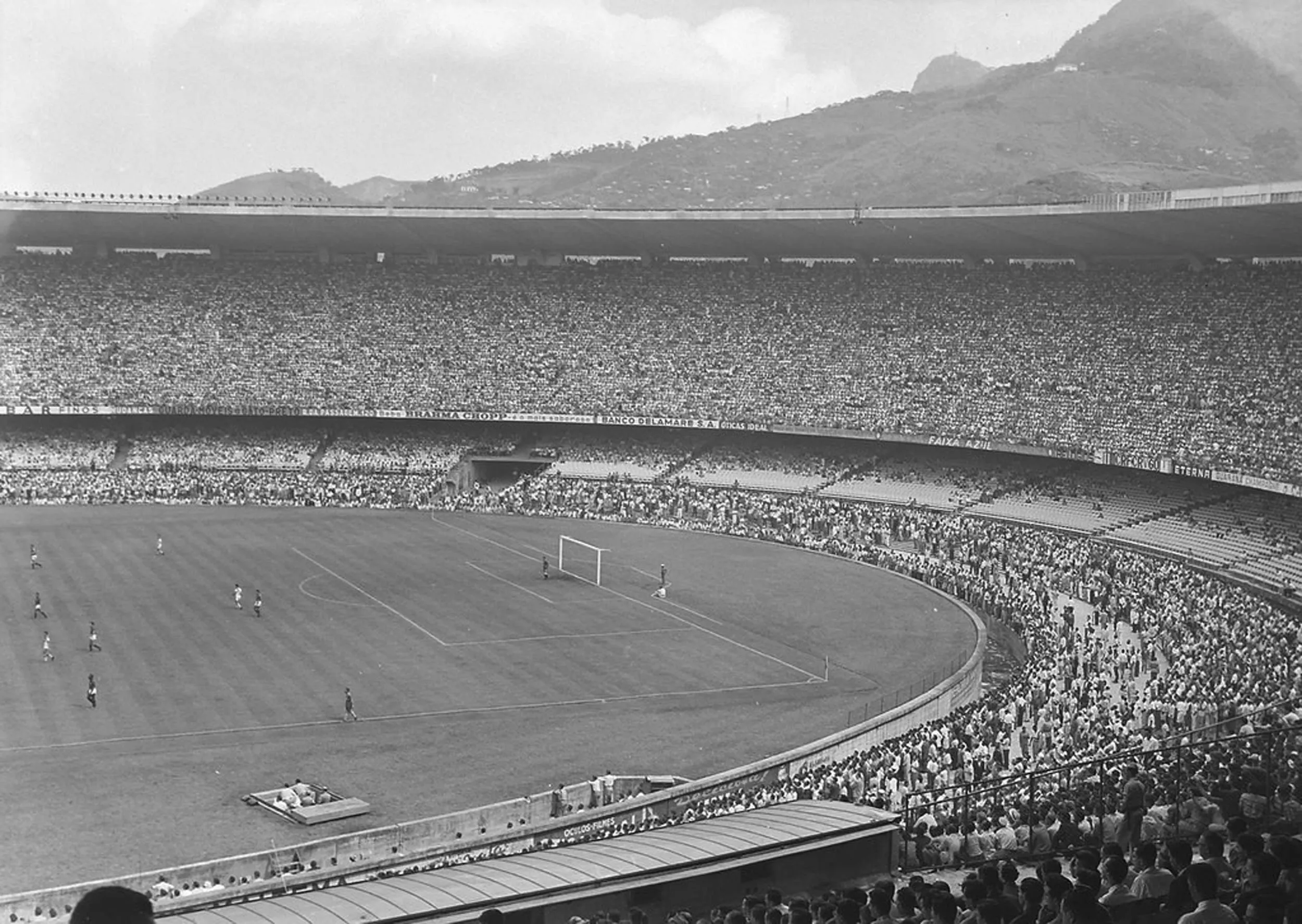
A Stadium Built for National Narrative
Maracana was never a small local project. It was imagined at national scale and emotionally loaded from the beginning.
Timeline Highlights
- Construction and symbolic ambition
- Mid-century global visibility
- Decades of domestic and continental drama
- Renovations and modern safety/comfort standards
- Contemporary multi-event identity
What Changed Most Over Time
| Then | Now |
|---|---|
| Monumental mass attendance identity | Managed capacity and modern operations |
| Lower comfort standards | Improved seating and infrastructure |
| Less digital coordination | Ticketing and movement planning improvements |
Reading the Stadium Today
To understand modern Maracana, read it in layers:
- architecture;
- political and cultural context;
- fan rituals;
- media memory.
History at Maracana is not only in trophies. It is in choreography, sound, and collective memory.
Closing Thought
When you enter Maracana, you enter a place where football history is still being edited in real time.
About the Author

Rio Football Travel Desk
This guide was written with local insight and traveler experience in mind to help you visit Maracanã respectfully and joyfully—whether you come for sport, history, or simply to feel the stadium’s electric atmosphere.
Tags
Maracana
History
World Cup
Brazil Football
Comments (0)
Leave a Comment
Loading comments...